
Top Interior Design Trends for 2026 (That Actually Add Value)
There’s a certain moment, often early in the morning or late in the evening, when a home reveals itself more honestly. The light is softer, the noise is gone, and what’s left is how the space actually feels to live in.
In 2026, interior design trends are moving away from what photographs well and toward what actually lives well. The homes that feel the most luxurious right now aren’t the most elaborate. They’re the most considered.
Here’s what we’re seeing and what’s truly worth investing in.
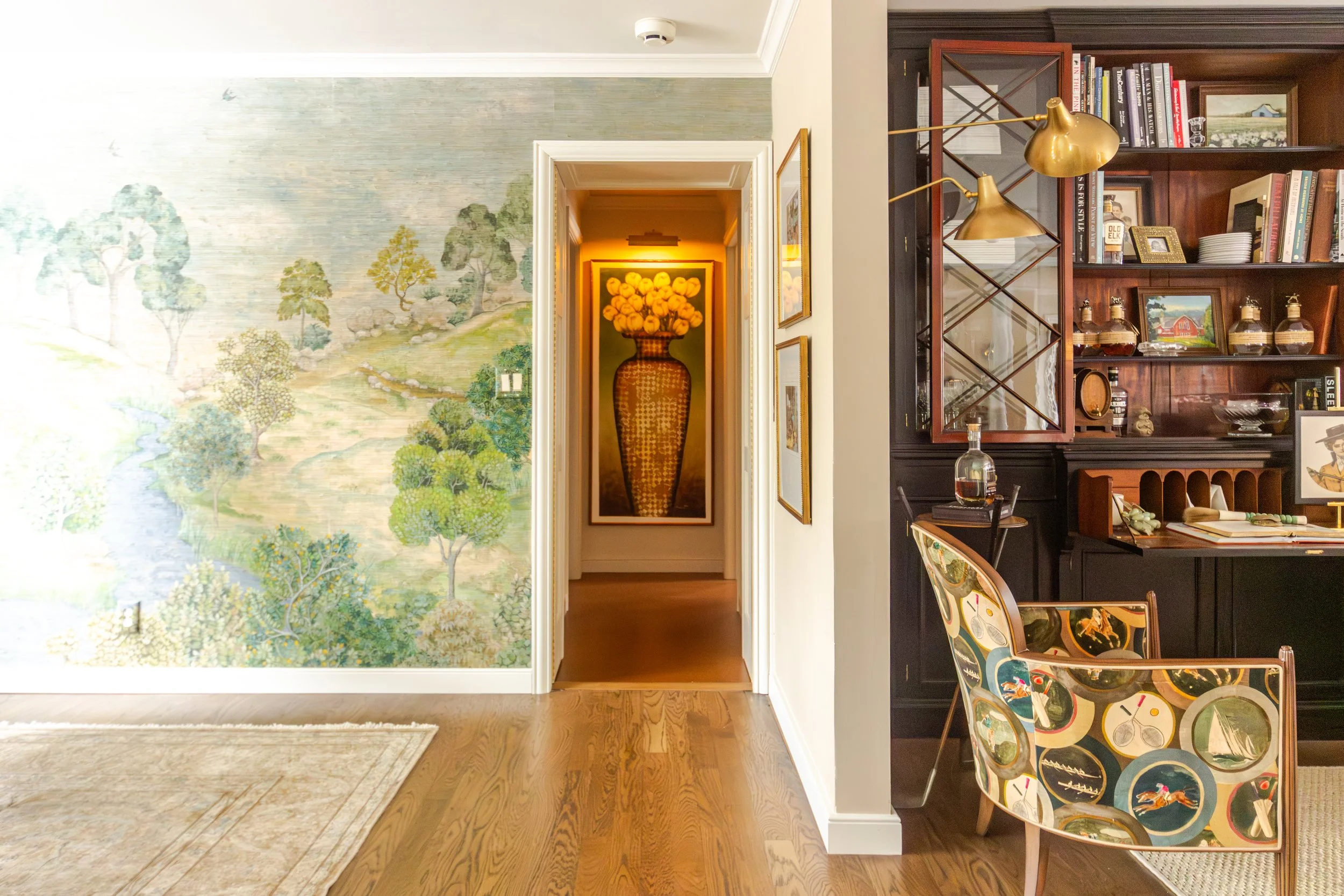
1. Quiet luxury through materials, not statements.
The era of bold-for-the-sake-of-bold is fading. In its place something new is emerging: material-driven design.
Envision:
Honed marble instead of high-gloss stone
Warm, natural woods with visible grain
Hand-applied plaster and limewash walls
These choices don’t just demand attention; they hold it. They age beautifully, photograph softly, and create a sense of permanence.
Materials that develop character over time, rather than wear out, help preserve both the longevity and the overall impression of quality within your home.
2. Architectural detail is the new decor
We’re seeing a decisive shift from “furnished rooms” to architecturally complete spaces.
Instead of relying on furniture to carry a room, the structure itself does the work:
Custom millwork and paneling
Integrated shelving and storage
Subtle ceiling treatments and trim work
These elements create depth before a single piece of furniture is placed.
Thoughtful architectural details transform a space from simply “styled” to truly refined, giving every room a sense of permanence, sophistication, and effortless luxury.
3. Spaces that support how you actually live
The most meaningful trend isn’t aesthetic, it’s behavioral.
Homes are being designed around real routines:
Secondary prep kitchens and sculleries
Dedicated wellness spaces (even if small)
Flexible rooms that evolve with a family
Rather than open concepts everywhere, we’re seeing intentional flow. These are spaces that connect, but still allow for pause.
Why it adds value: Buyers increasingly prioritize function alongside beauty. Homes that anticipate needs feel instantly more livable and more desirable.
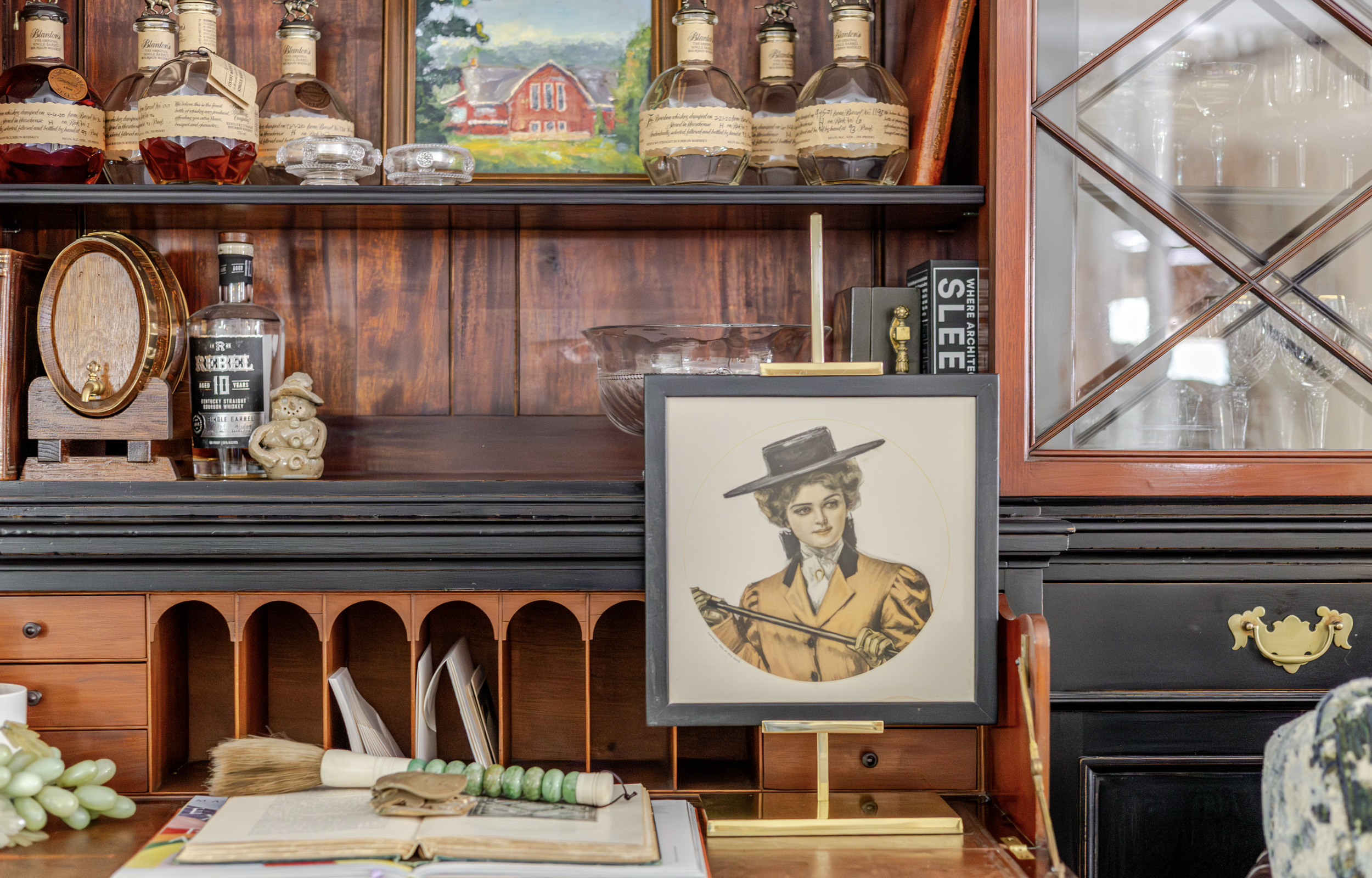
4. Layered, tonal interiors over high contrast
High-contrast black-and-white palettes are giving way to tonal, layered color stories.
Picture a room built entirely within a spectrum:
Soft taupes layered with deeper mushroom tones
Warm whites paired with subtle creams
Muted greens that echo natural surroundings
This approach creates a calming, immersive environment. These are rooms that feel elevated without trying, driving an understated luxe feeling.
The effect is a home that feels curated, harmonious, and timeless, with luxury that whispers rather than shouts.
5. Indoor-outdoor living that feels seamless
This isn’t an add-on, but an extension.
We’re designing homes where:
Materials carry from inside to out
Sightlines are intentional and framed
Outdoor spaces feel as furnished and considered as interiors
Even in seasonal climates, this continuity elevates the entire home experience.
The seamless transition creates a sense of openness and intentionality, making every moment, from morning coffee to evening gatherings, feel effortlessly elevated.
6. Less items, higher quality
Perhaps the most defining shift is edited interiors.
Rooms are no longer filled. They’re composed. Every piece has weight, purpose, and presence.
This often means:
Investing in fewer, higher-quality furnishings
Prioritizing craftsmanship over quantity
Leaving space for the room to breathe
Why it matters: This is where luxury home design quietly separates itself. It’s not about more—it’s about better.
What we’re advising clients right now
Not every trend is worth following. The homes that stand the test of time share a common thread: they reflect the people who live in them, not the moment they were designed in.
If you’re planning a renovation or new build, focus less on what’s “in” and more on what will still feel right five, ten, fifteen years from now.
Because the most valuable homes aren’t the trendiest.
They’re the ones you never feel the need to update.
Ready to refresh your home?
If you’re inspired by current design trends and want to explore how they could work in your space, our interior design team serving Dayton and Cincinnati is here to help. Contact us today.