
How to Design a Home That Feels Custom (Not Builder-Grade)
You can tell the difference immediately.
A custom home doesn’t announce itself. It reveals itself slowly: in the way the doors close, in how the light hits the walls, and in the quiet sense that everything was considered, not selected from a list.
By contrast, builder-grade homes often feel complete at first glance but thinner the longer you live in them.
The good news is that the difference isn’t about starting over, but about knowing where to focus.
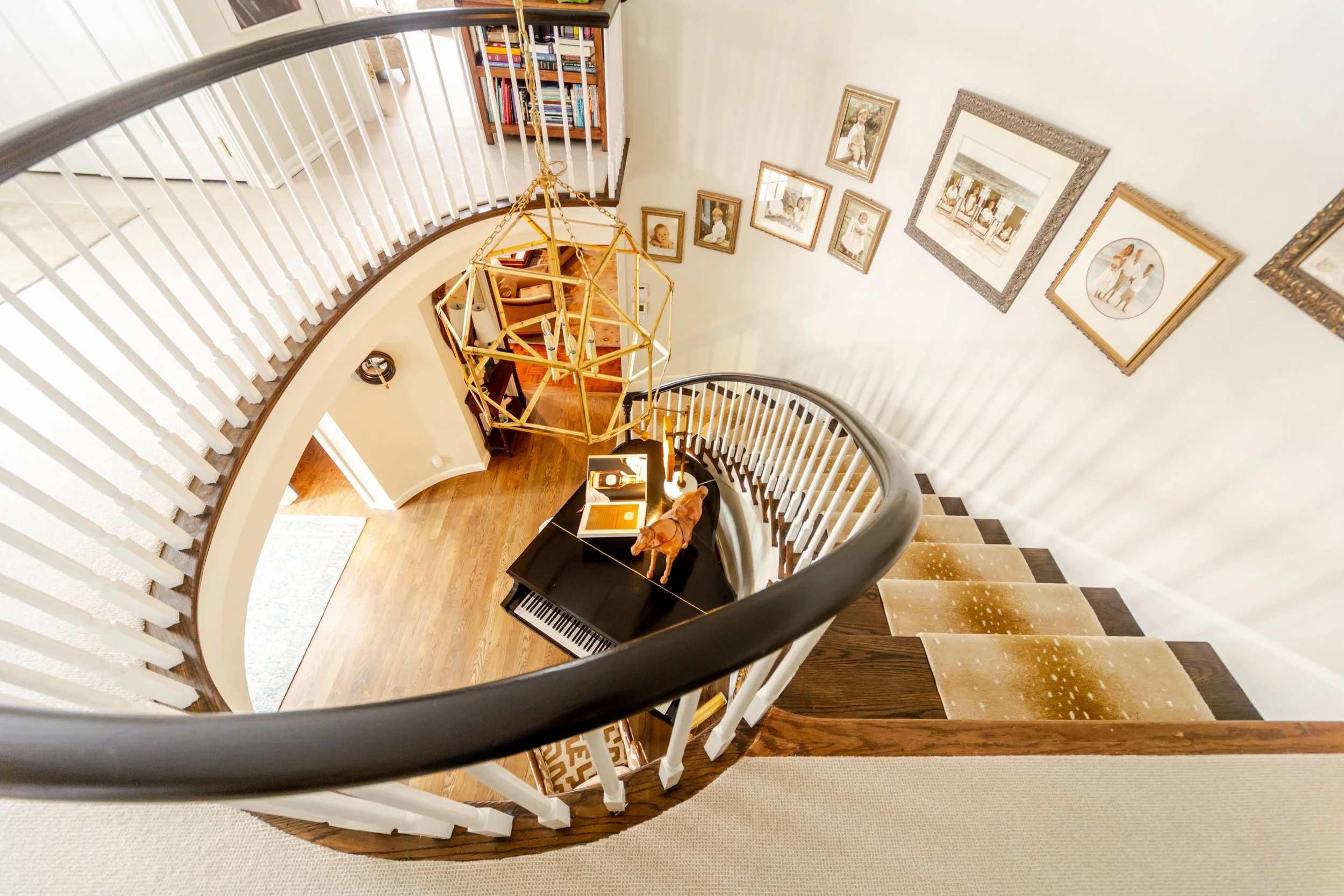
1. Start with architectural intention, not finishes
Most homes are built from the outside in, while custom homes are designed from the inside out.
Before selecting finishes, consider where you want visual focal points, how each space should transition to the next, and what architectural details are missing. Adding elements like custom millwork, wall paneling, or redefined openings can completely shift how a home feels, often more than any furniture ever could.
These thoughtful architectural choices create a foundation for a home that feels truly considered and refined.
2. Replace standard with integrated design
Builder-grade homes rely on separation: cabinets, lighting, and hardware are all selected independently.
A custom-feeling home is integrated, with cabinetry aligned to architectural lines, layered and intentional lighting, and hardware and finishes that feel cohesive rather than matched.
This cohesion transforms a space from looking assembled to feeling designed, giving it an effortless sense of completeness.
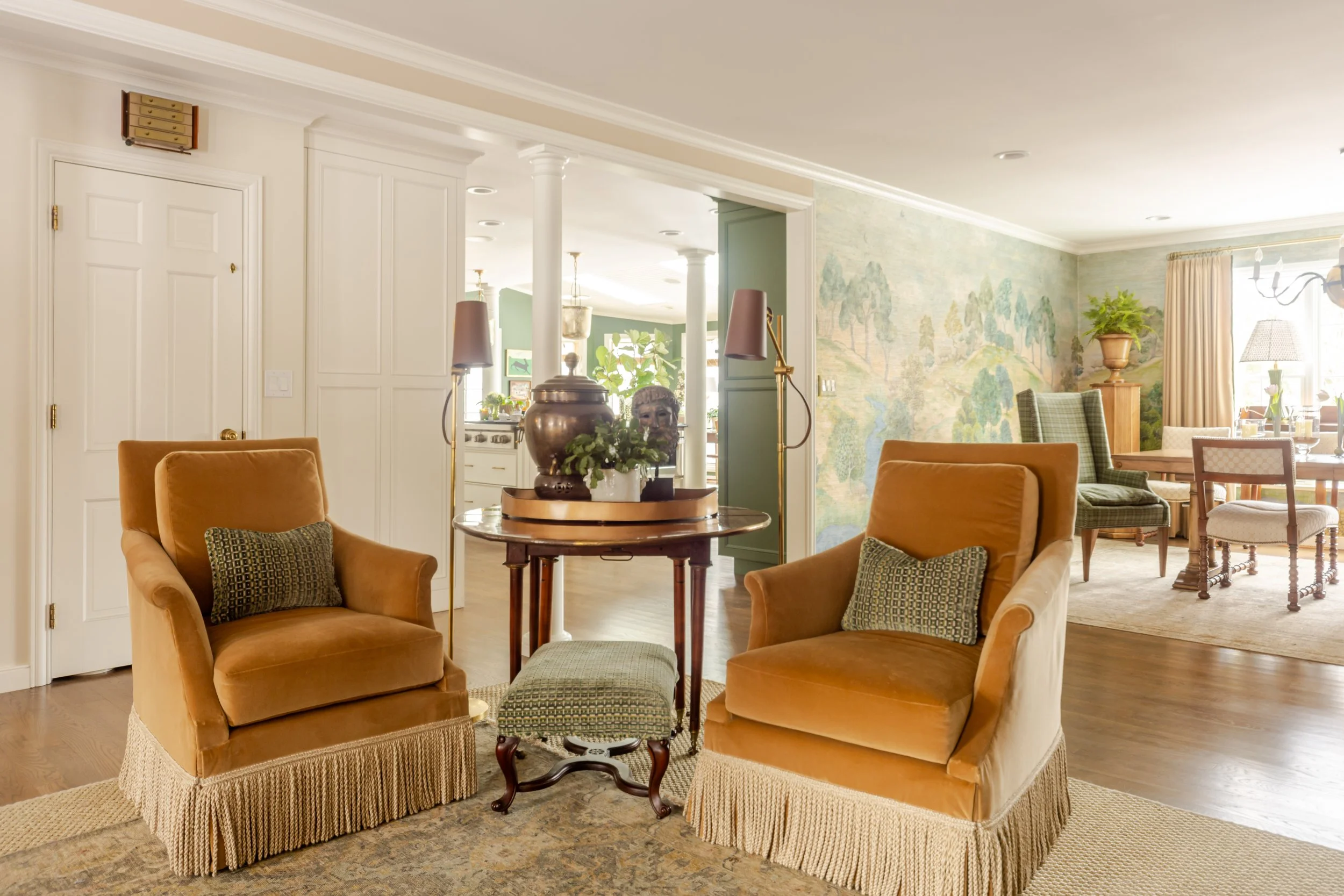
3. Invest where it shows and where it lasts
Not every upgrade carries equal weight.
The areas that most influence perception are kitchen cabinetry and layout, primary bathroom materials and detailing, and flooring continuity throughout the home. High-impact materials like natural stone, custom cabinetry, and wide-plank flooring anchor the space in a way surface-level updates cannot.
Focusing on the elements that truly matter ensures that your home feels luxurious and built to last.
4. Layer light like you would furniture
Lighting is one of the clearest signals of a custom home and one of the most overlooked.
Instead of relying on overhead fixtures alone, incorporate ambient lighting, task lighting, and decorative lighting that is intentional and carefully placed.
When layered correctly, lighting creates mood, dimension, and warmth, giving every room a sense of comfort and sophistication at any time of day.
5. Edit the floor plan where possible
Even small adjustments can create a more custom feel, whether it’s widening a doorway, adding symmetry to a space, or creating built-in moments where none existed. You don’t always need a full renovation.
Strategic changes to flow and proportion can dramatically elevate how a home functions and feels, making the space both beautiful and practical.
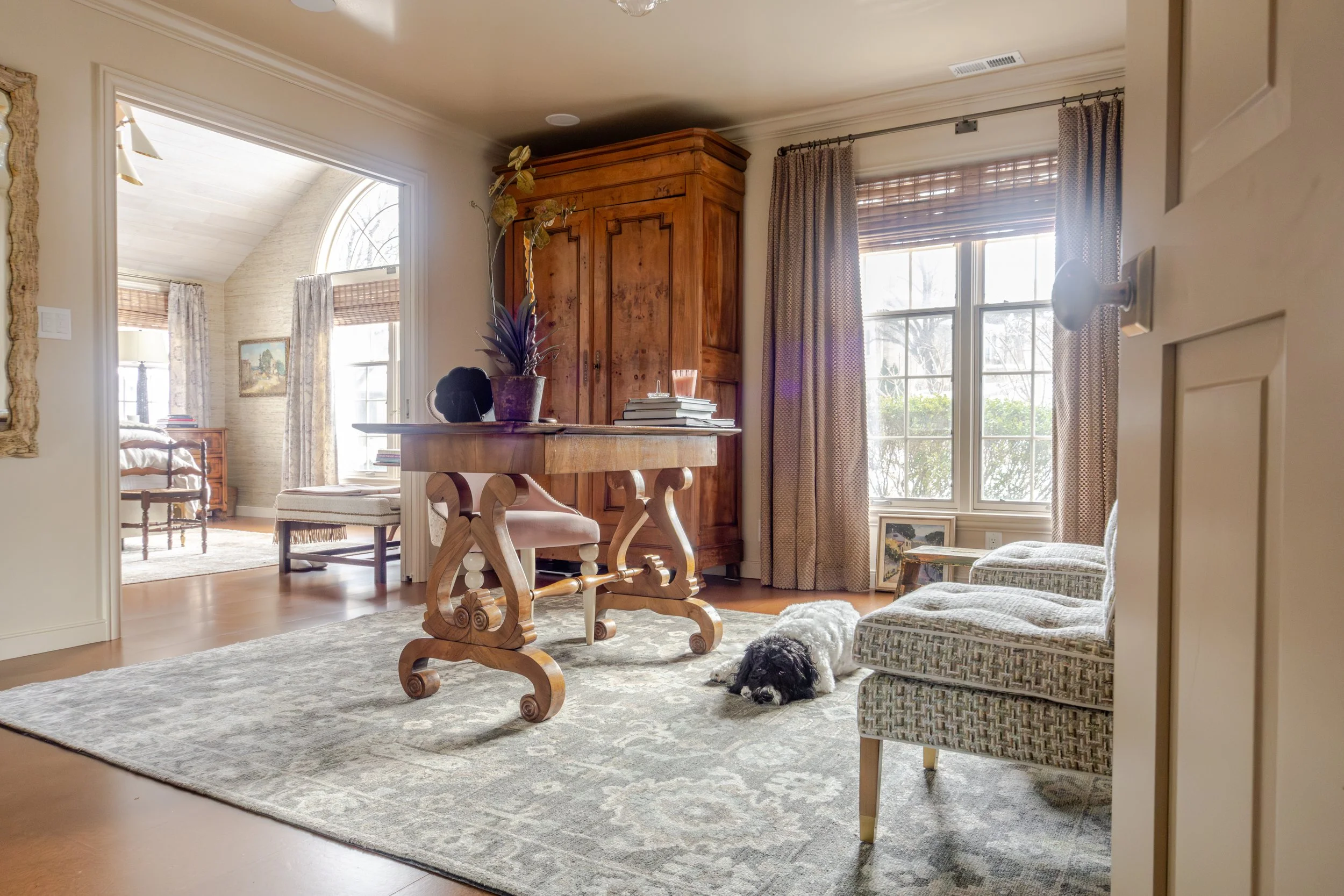
6. Prioritize cohesion over variety
Builder-grade homes often try to make each room feel distinct, while custom homes focus on continuity.
This doesn’t mean everything matches, but it does mean everything relates. A consistent palette that evolves subtly from room to room, repeated materials used in different ways, and a clear design language throughout the home create a space that feels calm, intentional, and complete.
The difference you can’t quite name
What makes a home feel custom isn’t a single decision; it’s the accumulation of hundreds of thoughtful ones. It’s choosing restraint over excess, quality over convenience, and cohesion over trend.
When done well, the result doesn’t just look different; it feels different to live in every single day.
Are you ready to enhance your home with custom design?
If you’re inspired by current design trends and want to explore how they could work in your space, our interior design team serving Dayton and Cincinnati is here to help. Contact us today.